Ethical Considerations
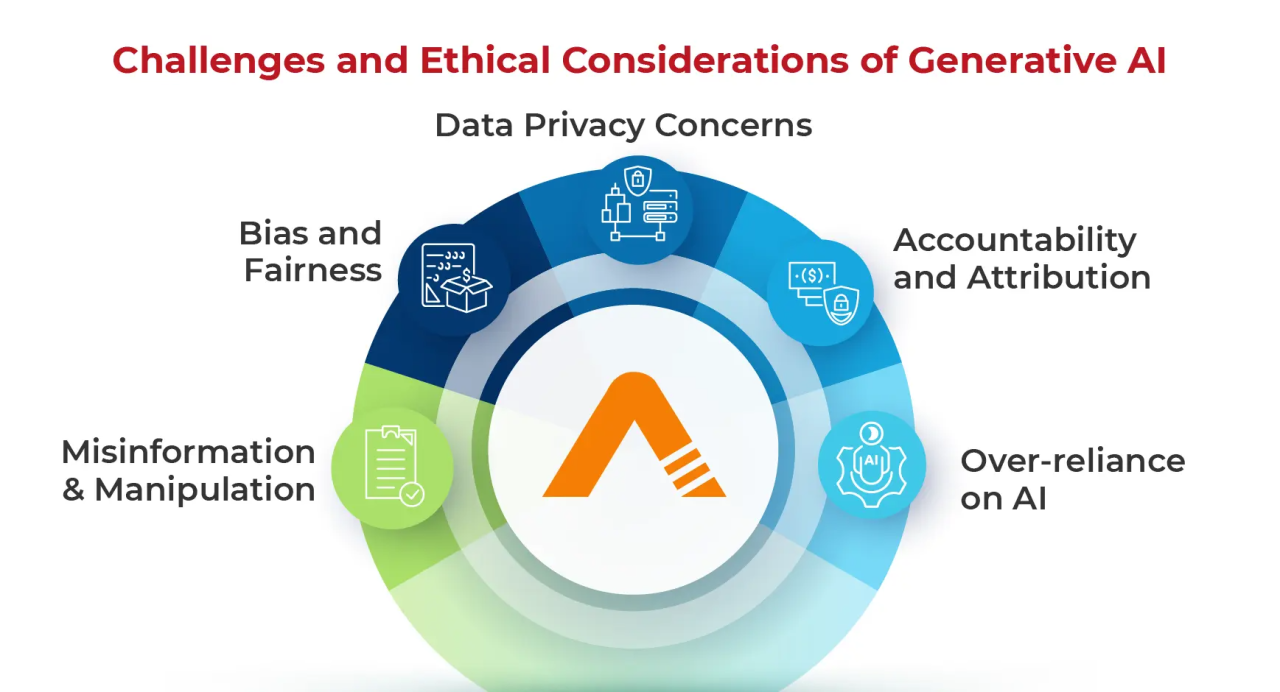
Large Language Models (LLMs) are revolutionizing how we interact with technology, offering unprecedented capabilities in text generation, translation, and more. However, their rapid advancement brings forth critical ethical considerations, particularly concerning bias and the potential for misinformation. Developers stand on an ethical tightrope, tasked with harnessing the power of LLMs responsibly.
The Inherent Challenge of Bias
- Data as the Root: LLMs learn from massive datasets, and if these datasets reflect societal biases (gender, race, socioeconomic status, etc.), the models will inevitably inherit and even amplify them.
- Manifestations of Bias: This can manifest in various ways:
- Stereotypical Associations: Generating text that reinforces harmful stereotypes.
- Unequal Representation: Underrepresenting or misrepresenting certain groups.
- Sentiment Disparity: Expressing more positive or negative sentiment towards specific demographics.
- The Need for Mitigation: Addressing bias requires careful data curation, bias detection techniques during training, and post-hoc debiasing methods.
1. Getting Started with Angular
Learn the basics of setting up an Angular project using Angular CLI. Explore the project structure, understand the role of modules, components, and services. Get hands-on with creating your first Angular application.
2. Components and Directives
Understand the heart of Angular development – components. Dive into the concept of components, their lifecycle, and the use of directives to enhance the functionality and appearance of your application.
3. Data Binding in Angular
Explore the power of two-way data binding and understand how it simplifies the synchronization between the model and the view. Learn about property binding, event binding, and ngModel for form handling.
4. Services and Dependency Injection
Delve into Angular services and the concept of dependency injection. Learn how services facilitate code organization, separation of concerns, and reusability across components.
5. Routing in Angular
Master the art of navigation in Angular applications using the built-in router. Create navigation menus, handle route parameters, and implement lazy loading for optimal performance.
6. Forms in Angular
Gain proficiency in handling forms using Angular's reactive and template-driven forms. Explore form validation, custom form controls, and strategies for managing complex forms effectively.
7. Observables and RxJS
Discover the power of reactive programming in Angular using Observables and RxJS. Learn how to handle asynchronous operations, make HTTP requests, and manage data streams efficiently.
8. Angular and State Management
Explore various state management solutions in Angular, including NgRx, to efficiently manage the state of your application and handle complex data flows.
9. Testing Angular Applications
Understand the importance of testing in Angular development. Explore unit testing, integration testing, and end-to-end testing using tools like Jasmine and Protractor.
10. Optimizing Angular Performance
Learn best practices for optimizing the performance of your Angular applications. Explore techniques such as lazy loading, Ahead-of-Time (AOT) compilation, and tree-shaking to reduce bundle size.
Conclusion
Angular is a powerful framework that empowers developers to build scalable and maintainable web applications. By mastering its key features and best practices, you can create robust, efficient, and modern web solutions. This blog aims to be a comprehensive guide for developers on their Angular journey, offering practical insights and resources for continued learning. Happy coding!